A
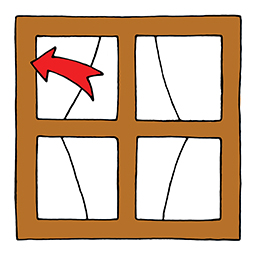
window is a fundamental component of an architectural structure, typically found in buildings and vehicles, that allows the passage of
light,
sound, and
air. It consists of a transparent or translucent material, such as
glass, that is fixed within a
frame and can be opened or closed.
Windows serve numerous purposes, essential to the functionality, aesthetics, and comfort of a space. Firstly, they enable the entry of natural
light, reducing the need for artificial lighting during the
day. This not only saves energy but also enhances the visual appeal of the interior, creating a more pleasant and inviting atmosphere. Natural light is known to positively affect mood, productivity, and overall well-being.
Moreover, windows facilitate ventilation by allowing fresh
air to circulate through a
room or
building. Proper ventilation is crucial for maintaining optimal indoor air quality, preventing the accumulation of pollutants, and reducing the risk of mold and mildew growth. Openable windows also provide the opportunity to regulate the temperature, promoting thermal comfort by allowing cool breezes or warm sunshine to enter, depending on the desired climate conditions.
In addition to their practical functions, windows have significant architectural and design implications. They shape the facade of a building and contribute to its overall aesthetic appeal. The size, style, and placement of windows can vary greatly, depending on the architectural style, purpose of the space, and environmental factors such as climate and location. From small, symmetrical windows in traditional buildings to large, floor-to-ceiling glass panels in modern structures, windows offer a myriad of design possibilities.
Windows also play a pivotal role in connecting the indoor and outdoor environments. They provide views of the surrounding landscape, allowing occupants to connect with nature, enjoy beautiful vistas, and engage with the external world. Floor-to-ceiling windows, commonly used in contemporary architecture, create a seamless flow between indoor and outdoor spaces, blurring the boundaries and enhancing the overall experience.
Beyond practicality and aesthetics, windows are an essential component for safety and security. They act as a barrier, preventing unauthorized entry and protecting occupants from external elements such as harsh weather conditions, noise pollution, and intruders. In emergency situations, windows can serve as an alternative means of escape, providing a valuable exit route.
In conclusion, windows are more than mere openings in architectural structures. They are multifunctional elements that blend practicality, aesthetics, and safety. Through the infusion of natural light, ventilation, connection with the outdoors, and architectural design, windows significantly enhance the livability and functionality of spaces. From residential homes to commercial buildings, windows are an essential feature of our built environment, adding value to our lives in numerous ways.