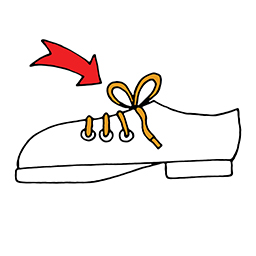
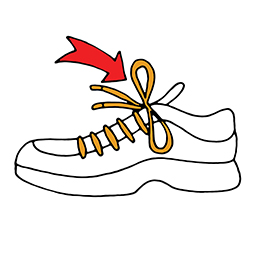
A
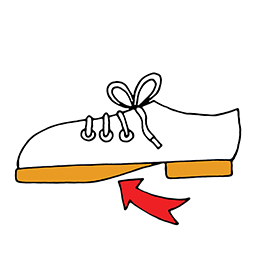
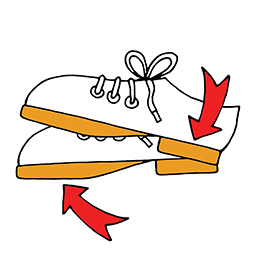
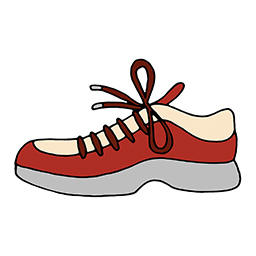
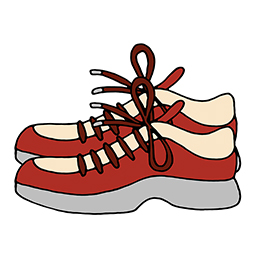
shoelace is a long, thin strip of material, typically made of cotton, nylon, or polyester, used for fastening and securing
shoes. It is an essential component of most footwear, serving a functional purpose while also adding a decorative element to the
shoe's design.
Shoelaces come in various lengths, widths, and colors to
match the style and size of each
shoe. They are typically flat or rounded and have a tough, slightly elastic nature to withstand the constant stretching and tightening involved in tying and untying
shoes.
The basic structure of a
shoelace consists of two ends with a series of evenly spaced aglets, which are small plastic or metal tips that prevent the lace from unraveling. These aglets also make it easier to thread the shoelace through the eyelets or hooks of the
shoe.
Shoelaces are vital for maintaining proper foot support and ensuring a secure fit. They allow users to adjust the tightness of their shoes according to personal comfort and desired level of stability. By tying the shoelaces, individuals can prevent foot slippage or instability during various physical activities and movements, such as running, walking, or playing sports.
Moreover, shoelaces offer a significant safety feature. In emergency situations, a well-tied shoelace can be used as a makeshift tourniquet to prevent excessive bleeding in cases of injury or to secure splints or bandages.
Beyond functionality, shoelaces have become a fashion statement, with different colors, patterns, and materials enabling individuals to customize their footwear. From sneakers to dress shoes, shoelaces are now available in a wide range of styles, allowing wearers to express their personality and individuality.
In conclusion, a shoelace is much more than just a cord used for fastening shoes. It is a practical tool for securing footwear, providing comfort, safety, and stability. Simultaneously, it is a creative accessory that adds style and personal touch to one's fashion choices, making shoelaces an indispensable part of our everyday lives.