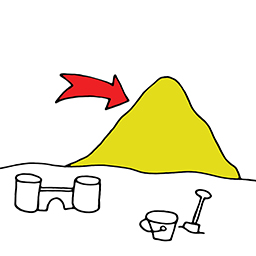
Sand is a naturally occurring granular material composed of finely divided
rock and mineral particles. It is one of the most abundant resources on
Earth and is found in various
forms in deserts, beaches, riverbeds, and even under the ocean. Sand grains range in size from 0.0625 mm to 2 mm, making it larger than silt but smaller than gravel. The color of
sand can vary depending on its composition, ranging from white, yellow, brown, black, and even green or pink.
Sand typically originates from the erosion of larger
rocks or minerals over time. As these rocks are weathered by
wind,
water, and other natural forces, they are broken down into smaller fragments. These fragments then undergo further erosion, transportation, and deposition, ultimately forming
sand. The composition of sand can vary greatly depending on its
source, but common minerals found in sand include quartz, feldspar, mica, and fragments of
shell, coral, or other organic materials.
Sand serves a multitude of functions and has numerous applications across various industries. In construction,
sand is a
key component of concrete and mortar, providing stability, strength, and workability. It is also used as a bedding material for pipes and
cables, as well as in the production of
glass, ceramics, and
bricks.
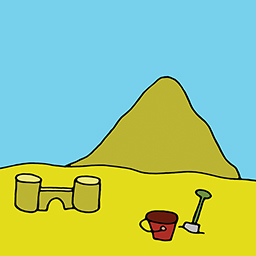
Beach sand, with its fine texture and pleasant feel, is a popular natural
play material for
children.
Sand also plays a crucial role in the environment. It acts as a natural filtration system, allowing rainwater to percolate into the ground and replenish underground aquifers. Coastal
sand dunes act as natural barriers against erosion and storm surges, protecting coastal ecosystems and human settlements.
Sand is also an important habitat for various species of plants and animals, such as sand dune grasses, beach plants, crabs, and birds.
However, the extensive use of sand in construction and other industries has led to concerns about its sustainability. Due to its high demand, illegal sand mining has become a major issue in some regions, leading to ecological damage and threatening delicate ecosystems. Additionally, the extraction of sand from riverbeds and coastal areas can disrupt natural sediment flow, negatively impacting water quality and causing erosion.
In conclusion, sand is a versatile and valuable resource that plays a significant role in various aspects of human life, industry, and the environment. Its abundance and unique properties make it an essential component in construction, filtration, and habitat creation. However, its widespread use and exploitation call for sustainable management practices to ensure its availability for future generations.