A
sandal is a type of footwear that is commonly worn during warm
weather or in tropical climates. It is typically composed of a
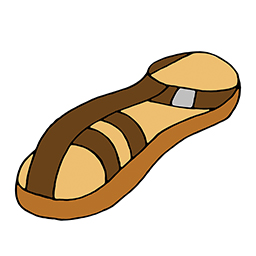
sole, often made of rubber or leather, with straps that secure the
foot to the sole. The construction of the sandal allows for maximum ventilation and comfort, making it a popular choice for casual wear.
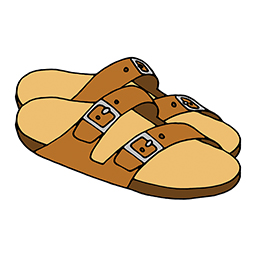
Sandal styles can vary greatly, ranging from simple and functional designs to more intricate and decorative ones. Basic
sandals usually have a flat
sole and a single strap that goes across the
foot, securing it in place. These minimalist sandals offer a practical and comfortable option for everyday use, especially in hot climates.
On the other
hand, some
sandals have multiple straps that extend from the
sole and wrap around the
foot, providing more support and stability. These designs are often used for hiking or outdoor activities, as they are able to withstand rough terrains and protect the feet from debris.
Sandal materials also vary depending on the purpose and style. Leather is a popular choice due to its durability and ability to conform to the shape of the foot. It is particularly prevalent in more formal
sandal designs. Other materials include rubber, synthetic materials, fabric, or a combination of these.
Sandal use dates back thousands of years, with evidence of sandals found in ancient Egyptian tombs and depicted in cave paintings. They were worn for practical purposes, as they allowed for the feet to stay cool, protected, and comfortable in warm climates. Over time, the sandal has evolved from a purely functional garment into a fashion statement, with various styles, colors, and patterns available in the modern market.
In conclusion, a sandal is a type of footwear that is lightweight, open-toed, and comfortable. It consists of a sole with straps that hold the foot in place and is a popular choice for warm weather or relaxed environments. With its long history and versatility, the sandal remains a staple in footwear fashion, offering a wide range of styles to suit different needs and preferences.